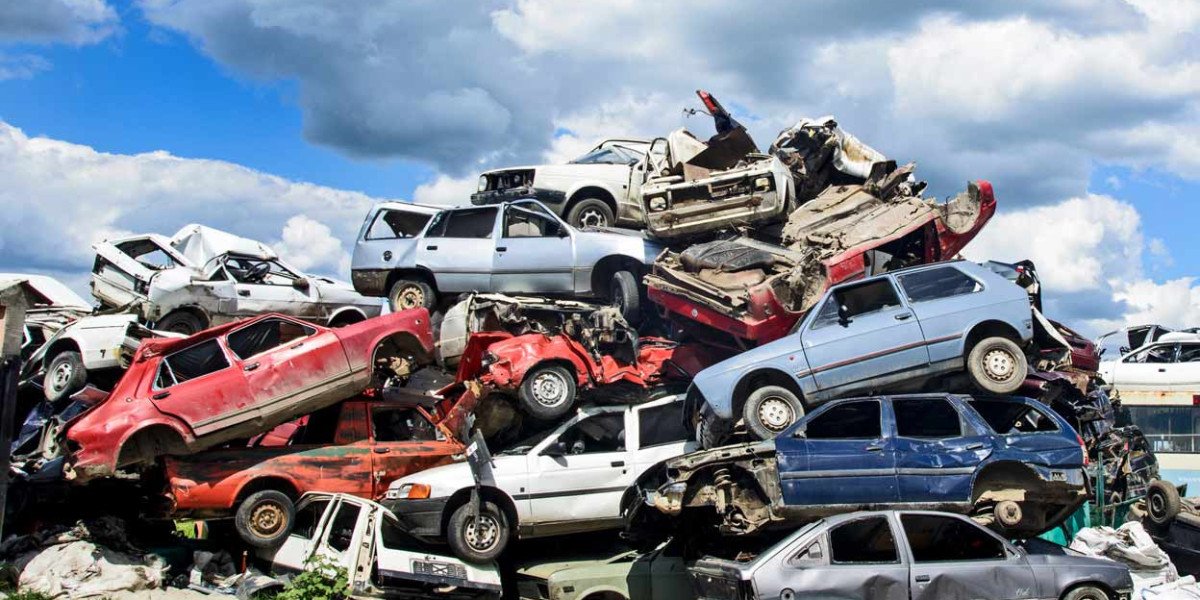

Many vehicle owners in Brisbane keep old or damaged cars parked for months or even years. These cars often no longer run, cost money to keep registered, or take up space that could be used better. Selling a junk car is a common solution, yet many people do not understand how the process works or what steps are involved. This guide explains how the junk car selling process works in Brisbane, from the first decision to the final handover, using clear and practical language.
What Is Considered a Junk Car in Brisbane
A junk car is a vehicle that no longer serves its main purpose. This does not only mean a completely wrecked car. In Brisbane, a junk car may include vehicles with engine failure, accident damage, flood damage, fire damage, or severe mechanical faults. Cars that fail roadworthy checks or cost more to repair than their market worth are also commonly treated as junk vehicles.
Many older cars also fall into this category due to worn parts, rust, or outdated systems. Even vehicles that start but cannot be legally driven on public roads can be considered junk.
Why Brisbane Car Owners Choose to Sell Junk Cars
Owning a junk car often creates ongoing problems. Registration fees, parking limits, council rules, and neighbour concerns can turn an unused vehicle into a burden. In Queensland, unregistered vehicles parked on streets can attract fines or removal notices.
Selling a junk car removes these concerns. It also helps owners avoid repeated spending on repairs that do not improve the vehicle’s long-term use. Many people also prefer selling rather than leaving a car to decay, as unused vehicles can leak fluids that harm the ground and nearby drains.
Step One: Gathering Basic Vehicle Information
The first step in selling a junk car in Brisbane is collecting basic details about the vehicle. These details usually include:
- Make and model
- Year of manufacture
- Current condition
- Whether the car runs or not
- Registration status
- Location of the vehicle
This information helps buyers understand what the vehicle contains in terms of usable parts and recyclable materials. Even cars that do not run still hold metal, wiring, batteries, and components that can be reused or recycled.
Step Two: Understanding the Legal Requirements
Queensland law requires proof of ownership when selling any vehicle, including junk cars. The seller usually needs a form of identification and documents that show ownership, such as previous registration papers or a transfer notice.
If the car is unregistered, the process is still allowed, but ownership must be clear. It is also the seller’s duty to remove number plates and return them to a Queensland transport office if required.
Understanding these rules helps prevent delays and ensures the sale follows state guidelines.
Step Three: How Junk Car Value Is Assessed
The value of a junk car is not based on resale condition. Instead, buyers look at factors such as:
- Weight of scrap metal
- Demand for usable parts
- Type of engine and gearbox
- Body panels and interior parts
- Overall completeness of the vehicle
Steel, aluminium, copper, and catalytic converters all contribute to the final amount. Even cars with missing parts may still hold worth due to metal content.
Market prices for scrap metal also affect offers, as these prices change over time.
Step Four: Accepting an Offer and Setting a Pickup Time
Once an offer is agreed upon, a pickup time is arranged. Many sellers prefer a time that suits their daily routine, such as weekends or after work hours. The vehicle does not need to be moved beforehand, even if it does not start.
At this stage, sellers should remove personal items from the car. It is also wise to double-check paperwork to ensure names and vehicle details are correct.
Step Five: Vehicle Collection and Final Handover
On the arranged day, the vehicle is collected from the agreed location. The buyer checks the vehicle to confirm it matches the details provided earlier. Payment is then made, and ownership is transferred.
This step completes the process. The seller no longer holds responsibility for the vehicle, and the car enters dismantling or recycling stages.
What Happens to Junk Cars After They Are Sold
After collection, junk cars are taken to yards where fluids are drained safely. Usable parts are removed and checked. Metals are sorted and sent for recycling. According to industry data, a large percentage of a vehicle’s metal can be reused, which reduces the need for new raw materials.
This process supports waste reduction and helps limit the environmental impact of abandoned vehicles.
A Practical Option for Brisbane Vehicle Owners
For people who want to sell my junk car in brisbane, services such as provide a clear path that fits within the process described above. When a vehicle no longer serves a purpose, choosing a structured removal and sale option helps owners clear space, follow Queensland rules, and ensure the car is handled in a responsible way. This approach aligns with how junk vehicles are commonly managed across Brisbane suburbs.
Common Mistakes to Avoid When Selling a Junk Car
Some sellers delay action, hoping the car will become useful again. Others forget to cancel registration or return plates, which may lead to ongoing charges. Leaving personal items inside the car is another common mistake.
Avoiding these issues helps the process remain smooth and avoids unnecessary trouble later.
Final Thoughts on Selling Junk Cars in Brisbane
Selling a junk car in Brisbane is a clear process when broken into steps. From identifying the vehicle’s condition to completing legal paperwork and final pickup, each stage serves a clear purpose. Junk cars may no longer be roadworthy, but they still play a role through recycling and parts reuse.
By understanding how the process works, Brisbane car owners can make informed decisions and deal with unused vehicles in a practical and responsible way.