
The Precision Forge Behind BMW's "Ultimate Driving Machine"
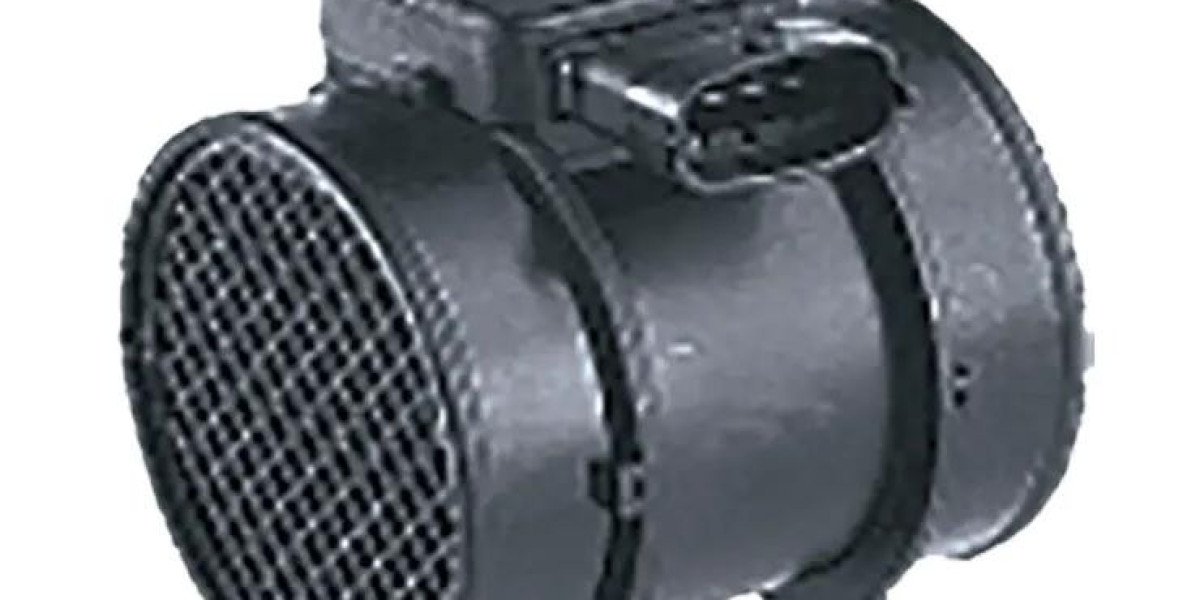
A BMW air flow sensor factory operates as a critical Tier-1 supplier within the automaker's meticulously engineered global supply chain, specializing in the production of Mass Air Flow (MAF) sensors that meet BMW's exacting standards for performance, accuracy, and longevity. This facility is far more than a generic component maker; it is an extension of BMW's engine development philosophy, producing a sensor whose data integrity is fundamental to achieving the precise throttle response, optimal fuel efficiency, and low emissions expected from BMW's range of petrol and diesel engines. The factory's operations are deeply intertwined with BMW's specifications, often involving co-development, shared proprietary technology, and integration into a seamless just-in-time logistics system that feeds directly into BMW's engine and vehicle assembly plants.
Co-Development and Technology Alignment
BMW typically partners with or sources from a select group of global electronics giants (such as Bosch, Continental, or Denso) that operate dedicated production lines for BMW-specific part numbers. The relationship starts with co-engineering. BMW's powertrain division defines the performance envelope: required measurement range, response time, signal protocol, physical packaging, and durability lifespan. The factory's R&D team then designs a sensor, often based on the hot-film anemometry principle, which is favored for its fast response and robustness. The specific thin-film pattern, the geometry of the bypass sampling channel (critical for accurate measurement across all flow regimes), and the integration of the Intake Air Temperature (IAT) sensor are all tailored to BMW's ECU algorithms. This results in a bespoke component, not an off-the-shelf catalog part.
Manufacturing Precision: From Wafer to Calibrated Unit
The manufacturing process reflects automotive-grade high-reliability electronics. It begins with the sensing element: a platinum thin-film resistor is deposited via sputtering onto a miniature ceramic or silicon substrate in a cleanroom environment. This chip is laser-trimmed for initial resistance and then mounted into a meticulously molded plastic housing that defines the laminar flow bypass. This sub-assembly is the heart of the sensor. Calibration is the definitive step. Each sensor is placed on a precision flow bench that simulates the entire spectrum of air flows and temperatures a BMW engine will produce—from the low idle of a 3-cylinder to the peak intake of a high-revving M model. The output signal is mapped, and unique calibration coefficients are burned into the sensor's integrated Application-Specific Integrated Circuit (ASIC), ensuring linearized, accurate output that the specific BMW DME (Digital Motor Electronics) expects.