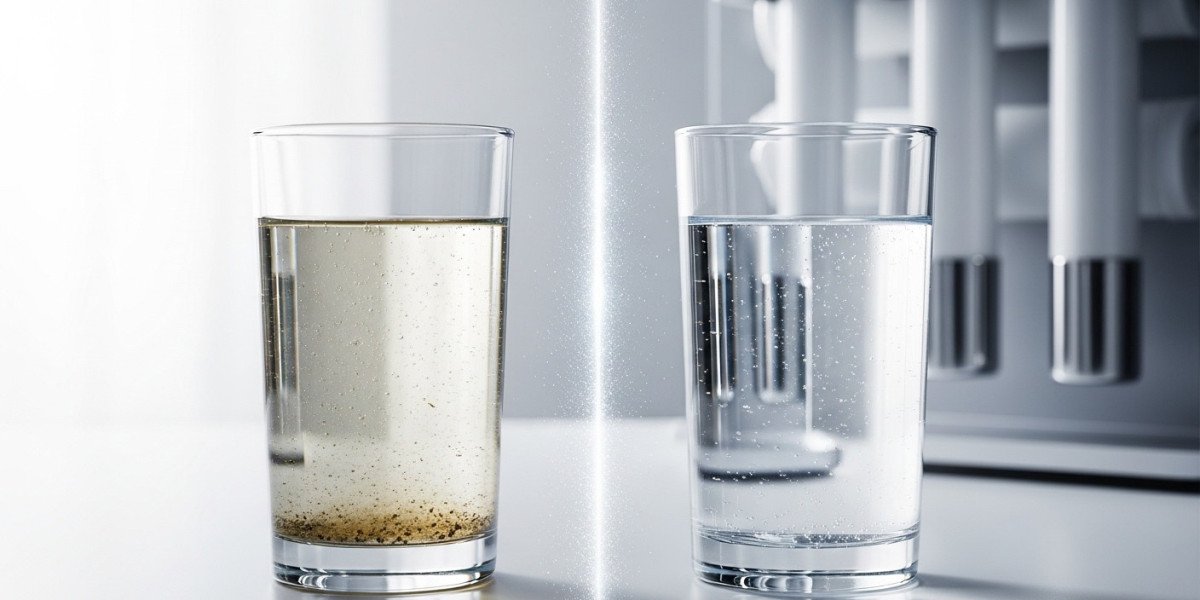

Hard water silently damages our homes every day, with residential hybrid water softener systems emerging as the most effective solution for today's homeowners. Water softeners help reduce hard-water minerals that leave buildup on fixtures, appliances, and plumbing, while also addressing other water quality concerns. If you've noticed spots on your glassware or scale accumulating around your faucets, you're likely dealing with hard water issues that require immediate attention.
Unlike standard water softeners, a residential hybrid water softener offers comprehensive protection for homes with municipal water supplies. These advanced systems are specifically engineered to remove chlorine, chemicals, pesticides, and unpleasant tastes and odors commonly found in city water. Additionally, removing chlorine before it reaches the softening resin can make your water softener last up to twice as long, providing significant long-term value. With research suggesting that drinking chlorinated water may double the risk of bladder cancer, which affects 400,000 people annually, investing in proper water treatment is clearly about more than just convenience.
In this article, we'll explore everything you need to know about hybrid water softener systems, from understanding hard water's effects to selecting the right system for your home and maintaining it for optimal performance.
Hard Water and Its Effects
Water becomes "hard" when it absorbs high levels of minerals during its journey through geological formations. This seemingly innocent characteristic can wreak havoc throughout your home, a problem effectively addressed by installing a residential hybrid water softener, in ways many homeowners don't fully understand.
What is hard water?
Hard water contains elevated concentrations of dissolved minerals—primarily calcium and magnesium—that water collects as it percolates through deposits of limestone, chalk, or gypsum. These minerals, though not harmful to health, create numerous household problems. Water hardness is typically measured in grains per gallon (GPG) or parts per million (PPM), with levels above 7 GPG or 120 PPM considered hard.
The type of minerals present creates two distinct forms of hardness: temporary hardness (caused by calcium bicarbonate that can be removed through boiling) and permanent hardness (from other mineral salts that cannot be eliminated by boiling).
Common signs of hard water in homes
Identifying hard water in your home is relatively straightforward once you know what to look for. The most visible indicator is chalky, white residue around faucets and fixtures. Moreover, when soap mixes with hard water, it forms a sticky curd-like substance rather than lathering properly.
Other telltale signs include:
- Spotty dishes and cloudy glassware despite washing
- Dry, itchy skin after showering (minerals strip natural moisture)
- Stiff, faded laundry that wears out prematurely
- Hair that feels filmy and straw-like despite washing
- Reduced water pressure from clogged showerheads
In fact, hard water can even trigger or worsen skin conditions like eczema, particularly in elementary-school-age children.
How hard water affects appliances and plumbing
Perhaps the most costly impact of hard water occurs within your home's infrastructure. As water flows through plumbing systems, mineral deposits accumulate inside pipes, creating scale buildup that restricts water flow—similar to plaque narrowing arteries.
This mineral accumulation severely impacts appliances as well. Hard water deposits form on heating elements and internal components of dishwashers, washing machines, and water heaters, forcing them to work harder and consume more energy. Consequently, appliances experience decreased efficiency, longer cycle times, and higher energy bills.
The lifespan reduction is significant—studies show appliances may fail 30% faster with hard water exposure. Water heaters typically last about 15 years, but corrosion from mineral buildup can shorten this by several years. For many homeowners, a residential hybrid water softener becomes essential in protecting these substantial investments.
Benefits of Using a Residential Hybrid Water Softener
Investing in a residential hybrid water softener offers multiple advantages beyond standard water softening systems. These all-in-one solutions effectively tackle the complex challenges of today's home water quality issues.
Removes both minerals and chemicals
Unlike traditional softeners, hybrid systems combine two crucial water treatment technologies. They use Template Assisted Crystallization (TAC) to transform hardness minerals like calcium and magnesium into harmless crystals that remain suspended in water rather than attaching to pipes and appliances. Furthermore, these systems effectively remove chlorine, chloramines, chemicals, pesticides, and volatile organic compounds (VOCs) commonly found in municipal water supplies. This comprehensive approach ensures both hard water minerals and chemical contaminants are addressed simultaneously.
Improves water taste and smell
One of the most noticeable benefits is significantly improved drinking water. Hybrid softeners effectively eliminate the metallic flavors caused by calcium and magnesium minerals. They likewise remove sulfur compounds responsible for that unpleasant "rotten egg" odor sometimes present in water. As a result, you'll enjoy cleaner, crisper-tasting water throughout your home. The ion exchange process adds minimal sodium that doesn't negatively impact taste.
Extends the life of household appliances
Hard water wreaks havoc on household appliances through mineral buildup and corrosion. With softened water, appliances experience less mechanical strain, leading to fewer breakdowns and longer-lasting parts. Water heaters particularly benefit—they heat more efficiently without scale buildup, using less energy and reducing burnout risk. In fact, appliances running on hard water can fail 30% faster compared to those using softened water.
Reduces soap and detergent usage
Perhaps the most surprising benefit is the substantial reduction in cleaning products needed:
- Households with water softeners can cut soap and detergent usage by up to 50%, saving approximately $90 annually just on cleaning products
- Laundry detergent works more efficiently, resulting in softer, brighter clothes
- Dishwasher detergent usage can be reduced by up to 70% with softened water
Total household savings with softened water can exceed $300 yearly when combining reduced product usage with energy efficiency.
Key Features to Look for in a Smart Water Softener
Selecting the appropriate features for your residential hybrid water softener system ensures optimal performance and longevity. Here's what to consider when making this important investment.
Grain capacity and household size
The grain capacity determines how much hardness your softener can remove before regeneration. To calculate your needs, multiply your daily water usage (people × 75-80 gallons) by your water hardness level (gpg). For instance, a family of four using 320 gallons daily with 15 gpg hardness would need a system removing 4,800 grains daily. Typically, households with 1-2 people need 24,000-32,000 grain softeners, while 3-4 person homes require 32,000-48,000 grain capacity.
Carbon filtration for chlorine removal
Quality residential hybrid water softener systems include activated carbon filtration that removes chlorine, which can damage softener resin. This filtration stage essentially eliminates taste and odor issues through adsorption, where contaminants cling to the carbon surface. Carbon filtration mainly protects your investment by helping your softener last up to twice as long.
Digital controls and smart monitoring
Smart systems offer remote monitoring of salt levels and water usage via smartphone apps. These intelligent softeners automatically optimize regeneration cycles based on actual consumption patterns, ultimately reducing water and salt usage.
Compact and space-saving design
Space-efficient models now fit into smaller areas without sacrificing performance. Many compact units provide high flow rates even in homes with multiple bathrooms, making them ideal for condos and townhomes.
Maintenance Tips for Long-Term Efficiency
Proper maintenance ensures your residential hybrid water softener delivers peak performance for years to come. Following these simple yet crucial steps will protect your investment and maintain optimal water quality throughout your home.
Checking and refilling salt levels
Maintaining proper salt levels is fundamental to your softener's effectiveness. Inspect your brine tank monthly and refill when it's ¼ to ½ full. Never allow salt to run out completely. When refilling, keep the salt level several inches above the water level but leave approximately six inches of space from the top rim. Use clean water softener salts only (at least 99.5% pure), such as pellet, nugget, or solar varieties.
Watch for salt bridges—solid crusts of salt that prevent proper dissolution. Initially, it may appear your tank has plenty of salt, yet underneath lies empty space. To check for bridges, gently probe with a broom handle.
Cleaning the brine tank regularly
Thoroughly clean your brine tank annually. Occasionally, more frequent cleanings may be necessary if you notice buildup. The cleaning process involves:
- Putting the unit in bypass mode
- Disconnecting lines between softener and brine tank
- Emptying water and salt
- Scrubbing with mild soap solution
- Disinfecting with diluted bleach
Monitoring water pressure and flow
Your residential hybrid water softener requires proper water pressure to function efficiently. Ideally, maintain pressure between 50-70 psi, though systems can typically handle 20-125 psi. Consistently high readings above 70 psi warrant installing a pressure reducing valve.
Replacing resin and carbon media when needed
Resin media typically lasts 5-15 years depending on water conditions. Watch for warning signs including:
- Water no longer feels soft
- More frequent regeneration cycles
- Foul smell or taste
- Cloudy water
Address high iron content with pre-filters to prevent rapid resin fouling. Regular maintenance checks help maximize resin lifespan and system performance.
Conclusion
Hard water presents a silent but significant threat to modern homes, damaging everything from plumbing systems to household appliances. Fortunately, residential hybrid water softeners offer an effective and comprehensive solution. These advanced systems tackle not only mineral buildup but also address chemical contaminants, creating healthier, better-tasting water throughout your home.
We believe the benefits of installing a hybrid water softener extend far beyond just preventing scale formation. Your appliances will last longer, your skin and hair will feel better after showering, and you'll save money on cleaning products and energy bills. Additionally, the protection from chlorine and other harmful chemicals provides peace of mind about your family's health.
Choosing the right system requires careful consideration of your household size, water hardness level, and specific filtration needs. Smart features like digital controls and remote monitoring make modern systems more efficient and user-friendly than ever before.
Proper maintenance remains essential for long-term performance. Regular salt level checks, occasional brine tank cleaning, and monitoring system performance will help your investment provide years of trouble-free service.
The evidence clearly shows that residential hybrid water softeners represent the most effective way to address hard water challenges. Therefore, homeowners facing spotty dishes, scale buildup, or other hard water signs should consider this solution as a worthwhile investment. After all, protecting your home's plumbing infrastructure, extending appliance lifespans, and enjoying better water quality throughout your home certainly justifies the initial cost.