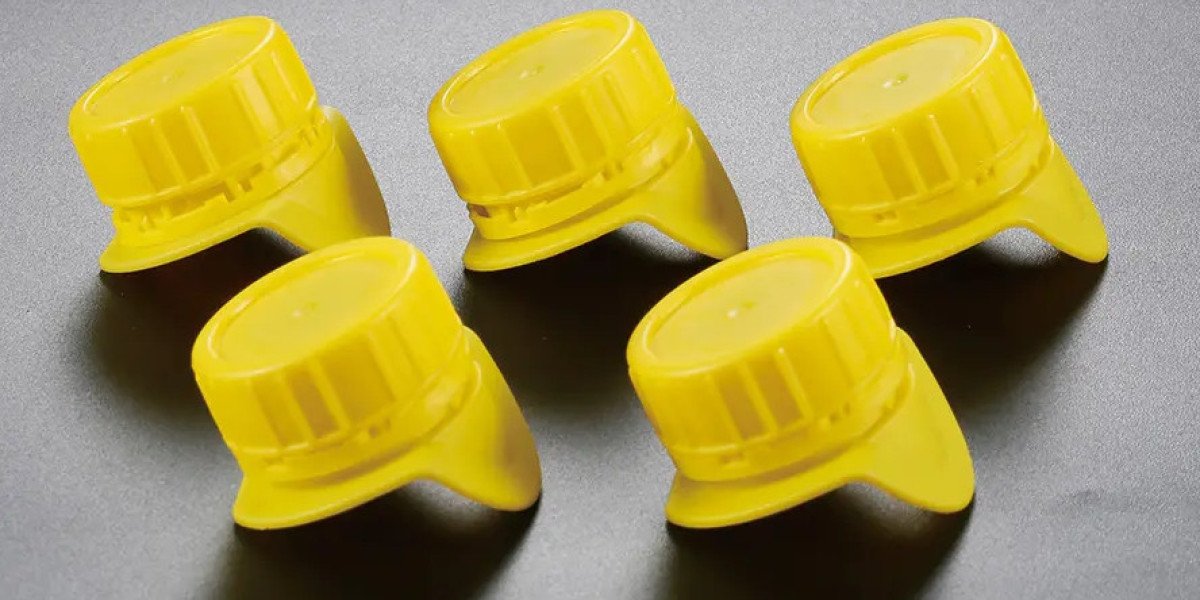

Packaging design has gradually shifted from simple containment to a more user-centered approach. In this context, the Multifunctional Cap and the Easy-Open Plastic Bottle Cap have become topics of frequent discussion among brand owners, packaging engineers, and end users. Rather than focusing on novelty, these caps respond to everyday usage challenges, such as repeated opening, hygiene control, and product preservation. Their value lies in how naturally they integrate into daily routines without adding complexity.
A growing number of consumer goods, from beverages to household liquids, are designed for repeated use throughout the day. Traditional caps often struggle to maintain sealing performance after multiple openings, or they require unnecessary force to operate. A multifunctional cap addresses this gap by combining sealing stability, ease of handling, and compatibility with different bottle types. For users, this means less effort during use and more consistency over the product’s lifespan.
Ease of opening is no longer considered a minor feature. Many users actively notice whether a cap twists smoothly, whether it slips when hands are wet, or whether it creates uneven resistance during opening. An easy-open plastic bottle cap is engineered with these subtle interactions in mind. Textured surfaces, optimized thread profiles, and balanced torque design help reduce strain while still maintaining reliable closure. This design logic supports a wide range of users, including elderly consumers and children, without explicitly targeting any single group.
From a functional perspective, a multifunctional cap often integrates more than one role. Some designs include flip-top elements for quick access, inner seals for freshness, or controlled dispensing openings. These features allow consumers to use the same container in different situations, such as pouring, sipping, or storing. Rather than adding parts, the design typically simplifies how users interact with the bottle, which aligns with current packaging trends emphasizing intuitive use.
Manufacturers also see benefits in adopting easy-open solutions. Reduced complaints related to cap stiffness or leakage can improve overall product perception. At the same time, such caps are often designed to fit existing bottle neck standards, allowing companies to upgrade functionality without redesigning entire packaging systems. This practical compatibility has made multifunctional and easy-open caps a realistic option for mass production rather than a niche solution.
At Taizhou Tars International Trade Co., Ltd., cap development is approached from both user experience and production feasibility. Instead of focusing on dramatic visual changes, the company emphasizes subtle improvements that affect daily use. For example, adjusting the depth of the grip pattern or refining the internal sealing ring can significantly improve opening comfort and resealing consistency. These changes may appear minor, but they influence how consumers perceive product quality over time.
Another point of interest is hygiene. Repeatedly opening a bottle exposes the cap to hands, surfaces, and airborne particles. A well-designed multifunctional cap can help minimize direct contact with the product opening, especially in flip-top or controlled-flow designs. This consideration has become more relevant as consumers pay closer attention to cleanliness in shared or outdoor environments.
Environmental discussions also intersect with cap design. While this article does not focus on material claims, it is worth noting that easy-open plastic bottle caps are often designed to reduce damage during use. A cap that opens smoothly is less likely to crack or deform, which can extend the usable life of the container. Longer usability can support refill concepts or reuse scenarios without requiring complex user instructions.
Market feedback suggests that consumers may not always articulate why they prefer one bottle over another, but ease of use plays a significant role. When a cap opens predictably and closes securely, it reduces friction in daily habits. Over time, these small interactions shape brand trust. A multifunctional cap quietly contributes to this trust by performing consistently rather than drawing attention to itself.
From a distribution standpoint, caps must also withstand transportation and storage conditions. Easy-open designs are tested to ensure that reduced opening force does not compromise sealing integrity. This balance between accessibility and containment is central to modern cap engineering. It reflects a shift away from rigid designs toward more adaptive solutions.
In everyday scenarios such as kitchens, offices, or outdoor activities, a bottle cap is used far more often than its container is replaced. Recognizing this, manufacturers increasingly view the cap as an interface rather than a secondary component. The multifunctional cap embodies this idea by acting as both a closure and a usability feature.