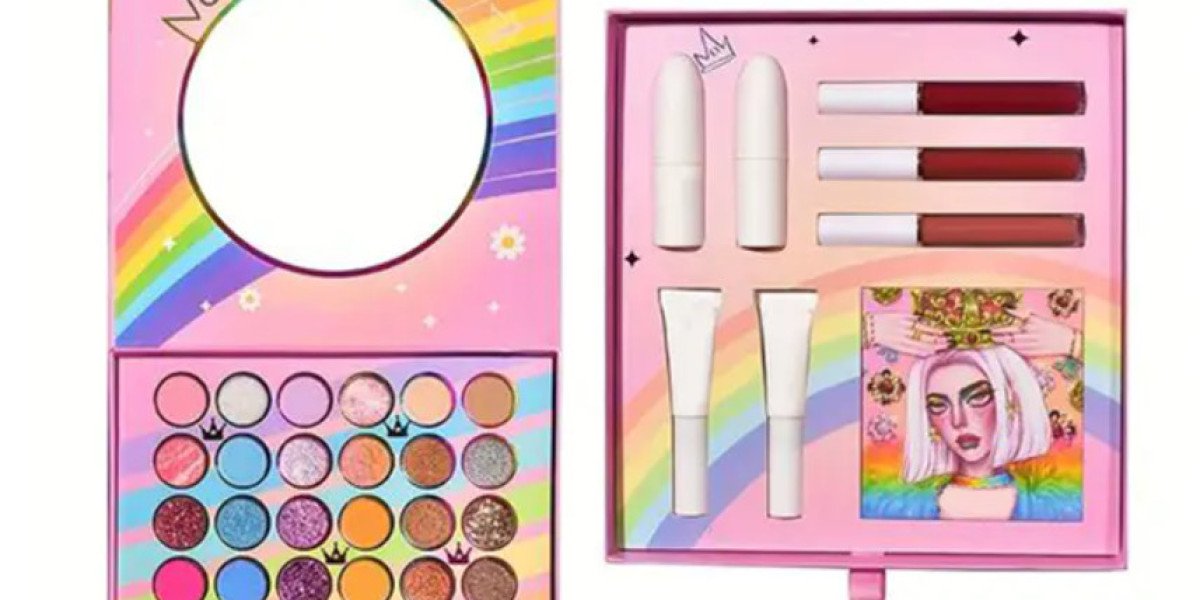

When consumers explore color cosmetics, they often focus on shades and finishes, while the production logic behind these products remains less visible. An Eyeshadow Palette Factory operates at the intersection of formulation control, color development, and scalable manufacturing, supplying products that align with the ongoing demand for Basic Cosmetics For Women. This demand is not driven by novelty alone, but by the expectation of reliability, ease of use, and predictable performance in everyday routines.
Consistency is one of the primary responsibilities of a factory producing eyeshadow palettes. From pigment dispersion to pressing pressure, small variations can lead to noticeable differences in texture and payoff. A controlled manufacturing process helps maintain uniform color appearance across batches, ensuring that consumers experience the same shade tone and application feel each time they repurchase. This level of stability is especially important for basic makeup products that are used frequently rather than occasionally.
Formulation design plays a central role in this process. Eyeshadow intended for daily wear often prioritizes balanced pigmentation over intensity. Instead of aiming for dramatic coverage, these formulas are developed to blend easily and layer smoothly. This approach supports users who prefer flexible application, whether applying a single shade for a clean look or combining tones for subtle dimension.
Within the broader category of basic cosmetics, eyeshadow palettes serve as foundational items. They are designed to complement rather than dominate a makeup routine. Neutral color ranges, wearable finishes, and adaptable textures allow these palettes to integrate naturally with other products such as foundation, eyeliner, and lip color. From a functional standpoint, this compatibility enhances usability across different skin tones and preferences.
Manufacturing considerations extend beyond color and texture. Packaging structure is another factor that influences daily use. A well-designed palette protects the product from breakage while allowing easy access to each shade. Factories often balance material thickness, hinge durability, and closure stability to ensure the palette remains practical for both home use and travel.
Quality control processes support this functionality. During production, palettes undergo inspection for issues such as surface cracking, uneven pressing, or shade contamination. These checks help reduce inconsistencies that could affect application experience. Rather than focusing on visual appeal alone, the goal is to deliver a product that performs reliably under regular handling.
The relevance of basic cosmetics is also tied to changing consumer behavior. Many users seek products that simplify their routine rather than complicate it. Eyeshadow palettes designed for daily wear respond to this preference by offering coordinated shades that reduce decision fatigue. The role of the factory is to translate this demand into stable production output that meets both aesthetic and functional expectations.
Another important consideration is skin compatibility. Formulas intended for frequent use are typically developed with attention to wear comfort. Texture smoothness, minimal fallout, and moderate adhesion help reduce irritation risks during repeated application and removal. While individual skin response varies, controlled formulation standards contribute to broader user acceptance.
From a supply perspective, factories producing eyeshadow palettes often work closely with brand owners to align product positioning with manufacturing capabilities. Shade selection, finish type, and packaging design are adjusted to meet target market expectations without introducing unnecessary complexity. This collaboration supports efficient production while maintaining product relevance.