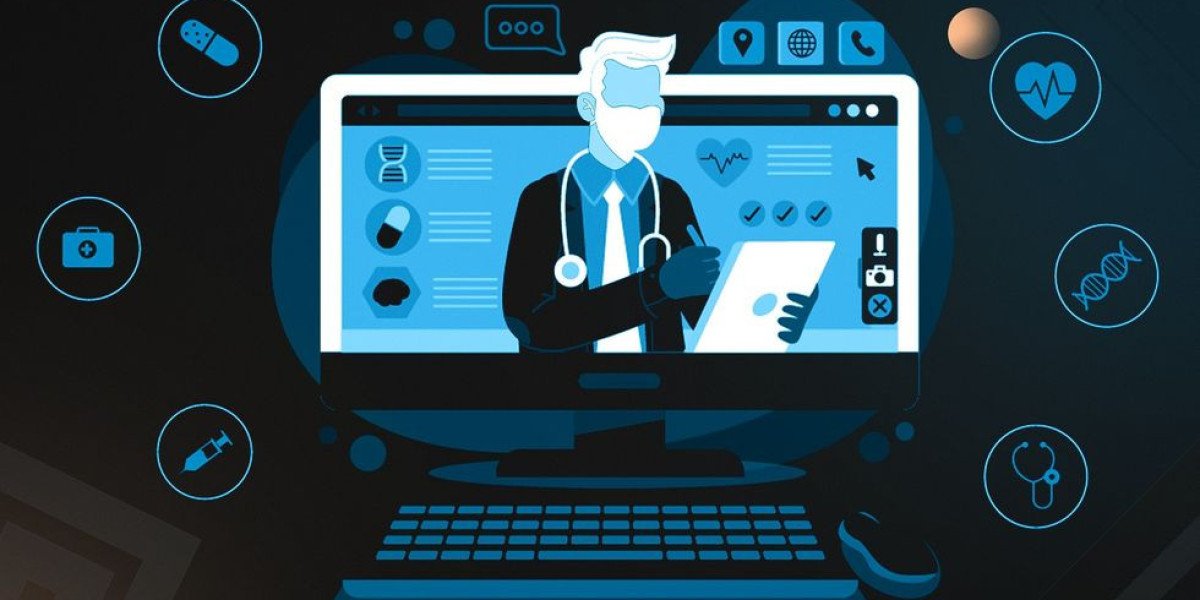

Healthcare is evolving rapidly, and so is the way patients are managed within hospitals and clinics. Traditional approaches, which relied heavily on paper records, manual scheduling, and fragmented communication, are no longer sufficient in today’s fast-paced, digital-first world. The new blueprint for managing patients emphasizes efficiency, accuracy, and patient-centered care, leveraging technology to streamline workflows and improve outcomes. Modern hospitals and clinics are now rethinking how they deliver care, focusing on integrated systems that simplify complex processes.
Embracing Digital Transformation in Patient Care
Digital transformation is no longer optional in healthcare it is a necessity. Modern hospitals are moving away from isolated systems toward integrated platforms that connect patient information, clinical workflows, and administrative tasks. These platforms allow healthcare providers to access patient records in real-time, track medical histories, schedule appointments efficiently, and monitor treatment progress seamlessly.
The shift to digital tools also empowers healthcare providers to offer more personalized care. By analyzing patient data, clinicians can identify health trends, predict risks, and tailor treatment plans to individual needs. Digital transformation reduces administrative burden, minimizes errors, and ultimately enhances patient safety and satisfaction.
Streamlining Administrative Processes
Managing patients involves a significant amount of administrative work. Registration, appointment scheduling, insurance verification, billing, and follow-ups can overwhelm staff and slow down care delivery. Modern patient management solutions automate many of these processes, allowing hospital staff to focus on direct patient care.
Automated reminders for appointments reduce no-show rates, while digital registration systems speed up patient check-ins. Insurance verification tools ensure claims are processed efficiently, minimizing delays in treatment. By reducing the time spent on routine administrative tasks, hospitals can operate more efficiently and provide a smoother experience for patients.
Enhancing Communication Across Teams
Effective communication among healthcare professionals is essential for quality patient care. Miscommunication or delayed information can lead to repeated tests, treatment errors, and reduced patient satisfaction. Modern patient management systems provide a centralized platform where care teams can securely share patient information, lab results, and treatment updates.
This real-time collaboration ensures that every member of the healthcare team physicians, nurses, specialists, and support staff is informed and aligned. With all relevant information accessible in one place, clinical decisions can be made faster and more accurately, improving patient outcomes.
Leveraging Data for Smarter Decision-Making
Data is at the heart of modern healthcare management. Advanced patient management systems collect and analyze patient information, offering insights that support informed decision-making. Hospitals can track trends in patient visits, monitor treatment effectiveness, and predict potential health risks before they escalate.
For instance, predictive analytics can identify patients at higher risk of complications or readmissions, enabling proactive care. Administrators can use dashboards to monitor operational performance, optimize staff allocation, and reduce bottlenecks. Data-driven healthcare not only improves clinical outcomes but also boosts operational efficiency, saving both time and resources.
Improving Patient Experience and Engagement
Patient engagement is a critical component of modern healthcare. Involving patients in their care journey leads to better adherence to treatment plans and improved health outcomes. Digital patient systems enhance engagement by providing tools for self-service and communication.
Patients can schedule appointments online, view test results instantly, and access educational resources related to their conditions. Some systems offer personalized reminders for medications or routine check-ups. By keeping patients informed and involved, healthcare providers foster a more collaborative and satisfying care experience.
Integrating Telehealth and Remote Care
Telehealth has emerged as a vital component of modern patient management. Virtual consultations, remote monitoring, and follow-up care reduce the need for in-person visits while maintaining continuity of care. Modern patient management platforms seamlessly integrate telehealth, ensuring virtual interactions are recorded and analyzed alongside in-person visits.
This integration is particularly valuable for patients with chronic conditions, mobility challenges, or those living in remote areas. By combining in-person and remote care, hospitals can deliver comprehensive healthcare services without compromising quality.
Ensuring Security and Compliance
Transitioning to digital patient management comes with the responsibility to protect sensitive health information. Modern systems implement robust security measures, including encryption, secure access controls, and cloud-based storage, ensuring that patient data remains confidential and protected from unauthorized access.
Additionally, healthcare providers must comply with local and international regulations regarding patient data. Reliable digital systems are designed to meet these standards, providing both legal compliance and patient trust.
Conclusion
The new blueprint for managing patients in modern healthcare revolves around efficiency, collaboration, and patient-centered care. By automating administrative processes, enhancing team communication, leveraging data, and integrating telehealth services, hospitals can deliver better care while improving operational efficiency. For healthcare providers looking to stay ahead in a competitive and evolving landscape, investing in the Best Hospital Management Software is essential. Platforms like Instacare.com.pk provide comprehensive solutions that simplify workflows, enhance patient engagement, and ensure modern healthcare delivery meets the highest standards of quality and efficiency.