
Introduction to Material Hardness and Drill Performance
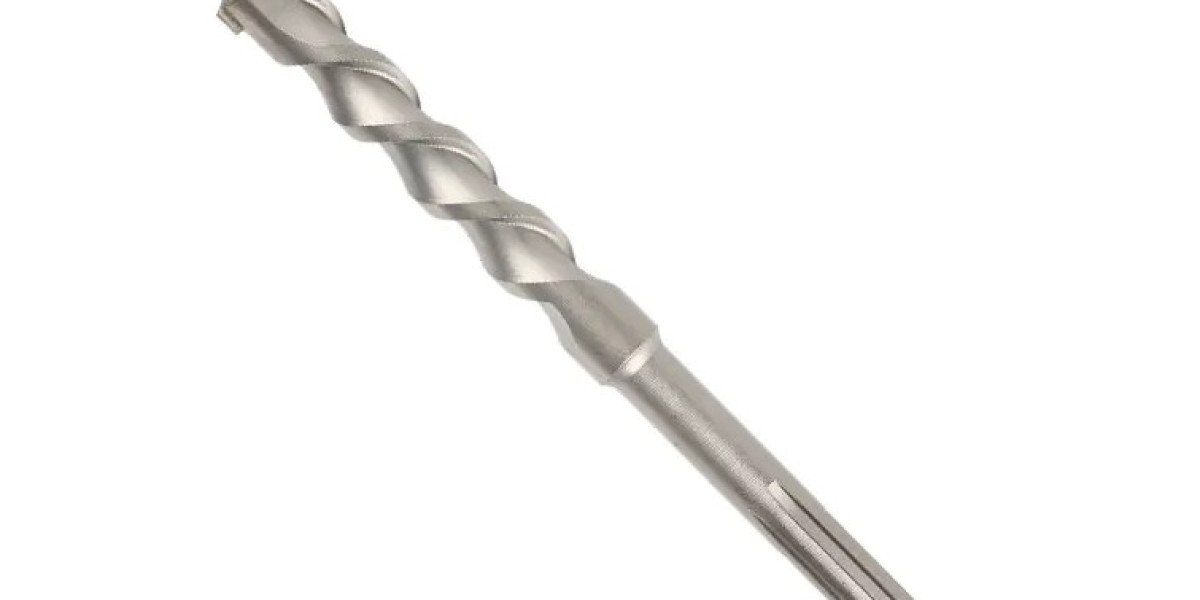
A Hammer Drill Bit Factory produces specialized bits designed for heavy-duty drilling applications such as masonry, concrete, and stone. However, one common question among users is whether a hammer drill bit performs the same across materials of different hardness. Material hardness affects the bit’s penetration rate, wear, and heat generation. Understanding how hammer drill bits interact with soft, medium, and hard materials is essential for selecting the right bit and achieving efficient, clean drilling results.
Drilling Soft Materials
When drilling softer materials like softwood, brick, or lightweight concrete, a hammer drill bit often penetrates quickly with minimal resistance. The hammering action may not be fully necessary, as the rotational motion alone can often handle the cutting process. While soft materials offer little resistance, using the proper drill speed and pressure is important to avoid overdrilling or creating irregular holes. In this case, the bit experiences less wear and maintains its sharpness longer, making soft materials easier on the tool.
Drilling Medium-Hard Materials
Medium-hard materials, such as standard concrete, limestone, or dense wood, present moderate resistance to drilling. The hammering mechanism becomes more critical in these applications, as the bit must break through the denser fibers or mineral structure while maintaining a steady rotational motion. A high-quality hammer drill bit from a reputable Hammer Drill Bit Factory ensures that the cutting edges remain sharp and the bit can absorb the shock of repeated hammering without chipping. Drilling speed and feed pressure need to be carefully managed to prevent overheating or excessive wear, ensuring smooth and precise holes.
Drilling Hard Materials
Hard materials like reinforced concrete, granite, or engineered stone pose the greatest challenge for hammer drill bits. The density and hardness of these materials require a combination of robust bit design, high-quality carbide tips, and sufficient hammering energy. Attempting to drill hard materials with a bit designed for softer materials can lead to slow progress, premature dulling, or even breakage. The bit must also be periodically withdrawn to remove debris and reduce heat buildup. When properly matched to the material, a hammer drill bit can maintain effective cutting performance, but drilling efficiency and tool longevity will always be lower compared to softer materials due to the higher resistance.
Factors Affecting Performance
Several factors influence how a hammer drill bit performs on materials of varying hardness. Bit material, tip design, rotational speed, hammering frequency, and applied pressure all play roles in achieving optimal results. Carbide-tipped bits perform better on hard surfaces, while standard steel bits are sufficient for softer substrates. Drill operator technique, including feed pressure and consistency, also significantly impacts efficiency and hole quality. Recognizing these factors allows users to adjust their approach depending on the material being drilled.
A hammer drill bit does not perform identically across materials of differing hardness. Softer materials allow faster drilling with less wear, medium-hard materials require careful balance of hammering and rotation, and hard materials demand robust bit design, proper technique, and occasional pauses to prevent overheating. Selecting the right bit from a reliable Hammer Drill Bit Factory, matching it to the material, and adjusting drilling parameters ensures maximum efficiency, precision, and tool longevity. Understanding these differences is essential for both professionals and hobbyists to achieve consistent results in diverse drilling applications.