
This article looks at how cover athletes are usually chosen for MLB The Show games, and which players might realistically be on the cover of MLB The Show 26. It is written from the point of view of a long-time player talking to other players, not from a marketing angle.
What does a cover athlete usually represent in MLB The Show?
Most players know that the cover athlete is not just about raw stats. In general, the cover is meant to represent the current state of MLB and where the game thinks the league is heading.
Usually, the player on the cover fits several conditions:
Strong recent performance, often in the last one or two seasons
High visibility among fans, not just hardcore baseball followers
A clean public image without major controversy
Relevance to multiple game modes, especially Diamond Dynasty and Franchise
In practice, this means MVP candidates, Cy Young winners, or players who had a major playoff moment tend to get more attention. Pure legends or retired players are rarely used for numbered yearly releases.
Do recent awards matter more than long-term careers?
Based on past covers, recent performance matters more than lifetime achievement. Most players notice that MLB The Show prefers athletes who feel “current,” even if their career is still developing.
For example, a player coming off a breakout year often has a better chance than a veteran who has been great for a decade but didn’t stand out last season. In general, the cover is about momentum, not legacy.
This is why young stars often appear sooner than expected, while some established players never get a cover at all.
Which positions are most likely to appear on the cover?
Position players usually have an advantage. Hitters are easier to recognize and are more visible in gameplay trailers and screenshots.
That said, pitchers are not excluded. When a pitcher dominates the league or rewrites expectations, they can still be chosen. In general:
Everyday players with five-tool skills are most common
Two-way players are extremely attractive for covers
Pitchers need an exceptional season to compete with hitters
Most players agree that versatility matters. If a player affects multiple parts of the game, they are easier to showcase.
Which current players are realistic candidates for MLB The Show 26?
This section focuses on realistic predictions, not wish lists.
Shohei Ohtani
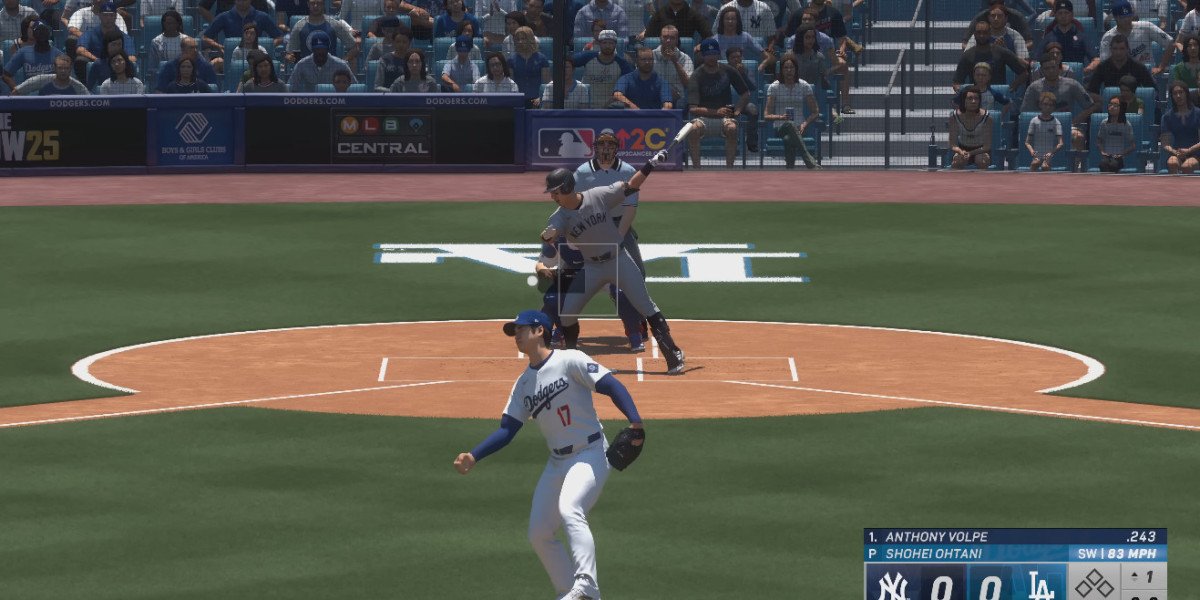
Even though Ohtani has already been on a cover before, he remains a strong candidate. As a two-way player, he fits how MLB The Show likes to present depth and realism.
In practice, most players still use Ohtani in multiple modes because he changes lineup construction. If he stays healthy and productive, it would not be surprising to see him return to the cover again.
Ronald Acuña Jr.
Acuña checks many boxes: power, speed, defense, and highlight plays. Most players see him as one of the most complete outfielders in the game.
If he has another strong season without major injuries, he is a very safe prediction. In general, players like Acuña translate well into gameplay because they affect every inning.
Juan Soto
Soto’s plate discipline and consistency make him popular in competitive modes. While he may not rely on speed, his hitting profile fits how many players build lineups.
Usually, if Soto has a strong postseason run or a career-best year, his chances improve a lot. Covers often reflect players who control the game in subtle ways, not just flashy moments.
Mookie Betts
Betts is another versatile option. He plays multiple positions at a high level and has been elite for several seasons.
Most players appreciate how flexible Betts is in Diamond Dynasty. If MLB The Show 26 wants a “safe” cover athlete who represents fundamentals and consistency, Betts fits that role well.
Can a breakout player still get the cover?
Yes, but it depends on timing. Breakout players who explode early and stay consistent all season have a chance. However, one hot month is not enough.
Usually, the game waits to see if the performance holds up across a full year. A young player who becomes a household name quickly can jump ahead of more established stars.
Most players remember that covers often reflect who people were talking about nonstop during the previous season.
Does popularity among casual fans matter?
It does, even if players don’t like admitting it. MLB The Show has to appeal to both hardcore fans and casual players.
In general, a player with national recognition has an advantage. That does not mean small-market stars are ignored, but they usually need an exceptional narrative to break through.
In practice, players who appear often on highlight reels or in big games tend to be remembered when cover decisions are made.
How does Diamond Dynasty influence cover choices?
Diamond Dynasty has become central to how most players interact with MLB The Show. Because of that, cover athletes often reflect who is strong or popular in that mode.
Players who are balanced, usable in multiple situations, and not overly niche tend to be favored. A player who fits many lineups usually becomes a face of the game.
This is also why some players talk about things like card availability, stubs, and roster flexibility. You might even see forum posts where someone casually mentions things like buy MLB 26 stubs cheap from U4N while discussing lineup building, which shows how closely cover athletes and in-game economies are connected in player discussions.
Are team success and playoffs important?
Team success helps, but it is not required. Many cover athletes have come from teams that did not win championships.
However, big playoff moments definitely raise a player’s profile. A clutch postseason performance can turn a good season into a memorable one.
Most players agree that if two candidates are close, playoff visibility often breaks the tie.
When do cover decisions usually get finalized?
Cover athletes are usually decided months before release. This means late-season injuries or off-field issues can still affect decisions.
In general, the strongest candidates are players who remain healthy and productive through the entire season. Stability matters more than last-minute heroics.
From an experienced player’s point of view, MLB The Show cover athletes are less about hype and more about balance. The game usually chooses someone who represents how baseball actually feels right now.
Most players expect MLB The Show 26 to feature someone who is:
Relevant across multiple modes
Recognizable without explanation
Strong in both real-life performance and in-game usability
While predictions are never perfect, looking at past patterns gives a clearer picture than guessing based on popularity alone.