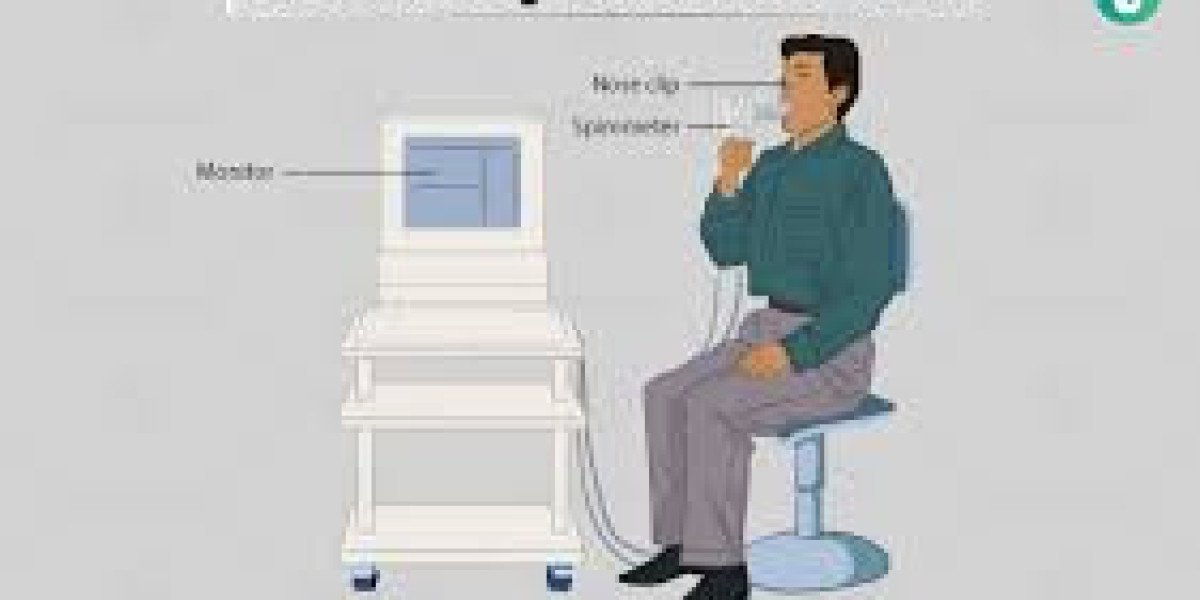

Maintaining good lung health is crucial for overall well-being, yet it’s often overlooked until symptoms become noticeable. Pulmonary Function Tests (PFT) are essential diagnostic tools that assess how well your lungs are working. If you’ve been searching for a pft test near me, this guide will help you understand what to expect, why it’s important, and how to choose the right testing facility.
At Ecotown, we prioritize accurate testing, patient comfort, and professional care to ensure you get reliable results for better respiratory health.
What is a PFT Test?
A Pulmonary Function Test, commonly called a PFT, is a non-invasive assessment of your lung capacity and function. These tests measure how much air your lungs can hold, how efficiently they transfer oxygen into your blood, and how well you exhale carbon dioxide.
Key Components of a PFT
Spirometry: Measures the amount and speed of air you can inhale and exhale.
Lung Volume Test: Determines the total volume of air in your lungs after a full inhalation.
Diffusion Capacity Test: Evaluates how efficiently oxygen passes from your lungs into your bloodstream.
Arterial Blood Gas (ABG) Analysis: Checks oxygen and carbon dioxide levels in your blood.
These tests collectively help doctors diagnose respiratory conditions, monitor disease progression, and evaluate treatment effectiveness.
Why You Might Need a PFT
People of all ages can benefit from a PFT, especially those with respiratory concerns or chronic conditions. Here are some common reasons why a doctor might recommend a PFT:
Chronic Respiratory Conditions: Asthma, COPD, or pulmonary fibrosis.
Pre-Surgical Assessment: Evaluating lung function before surgery.
Occupational Health: Jobs exposed to dust, chemicals, or fumes.
Monitoring Treatment: Ensuring medications or therapies are effective.
Unexplained Symptoms: Shortness of breath, chronic cough, or wheezing.
For example, if someone has asthma, a PFT can show whether their airways are narrowing and if their medication plan is working effectively. Similarly, individuals exposed to industrial dust can benefit from periodic testing to detect early lung damage.
How to Prepare for a PFT
Proper preparation ensures accurate results. Here are key steps before undergoing a PFT:
Avoid Smoking: Refrain from smoking for at least 24 hours before the test.
Skip Heavy Meals: A full stomach can make breathing more difficult during the test.
Medication Guidance: Discuss with your doctor whether to continue inhalers or other respiratory medications.
Comfortable Clothing: Wear loose clothing to avoid restricting chest movement.
Rest Well: Fatigue or recent strenuous activity may affect your lung performance.
Being prepared not only improves test accuracy but also makes the experience more comfortable and less stressful.
Choosing the Right Facility
If you are searching for a pft test near me, it’s essential to select a reliable facility that combines professional expertise with patient-centered care.
Factors to Consider
Accreditation: Ensure the lab is accredited for pulmonary testing.
Experienced Staff: Trained respiratory therapists and technicians provide accurate results.
Equipment Quality: Modern, well-calibrated machines improve test reliability.
Convenience: Proximity, parking, and appointment flexibility can make the process smoother.
Patient Comfort: Friendly staff and clear instructions reduce anxiety.
At Ecotown, our PFT facilities meet all these standards. We provide a seamless experience from scheduling to receiving your results.
What to Expect During the Test
Understanding the procedure can help alleviate any anxiety you may have about the test. Here’s a typical flow of a PFT:
Initial Assessment: Your technician will review your medical history and explain the test.
Spirometry Test: You’ll breathe into a mouthpiece, following prompts to inhale and exhale fully.
Lung Volume Measurement: Sometimes performed in a sealed booth to measure total lung capacity.
Diffusion Test: You may breathe in a harmless gas mixture to assess oxygen transfer.
Blood Oxygen Test: A finger clip or blood sample may be taken to evaluate oxygen levels.
The entire process usually takes 30–60 minutes, depending on the tests performed.
Benefits of Regular Pulmonary Function Testing
Regular PFTs are not just for diagnosing problems—they play a vital role in preventive care and long-term health.
Benefits Include:
Early Detection of Lung Diseases: Spot issues before symptoms worsen.
Monitoring Chronic Conditions: Track changes in asthma, COPD, or fibrosis over time.
Optimizing Treatment Plans: Adjust medications based on precise lung function measurements.
Improved Quality of Life: Understand and manage your breathing better.
Safety Assurance: Especially important for individuals in high-risk occupations or athletes.
For example, a patient with COPD may notice subtle changes in their PFT results that indicate the need to modify treatment before experiencing severe symptoms.
PFT Testing for Different Age Groups
PFTs are suitable for patients of nearly all ages, but considerations vary:
Children: Pediatric tests are adapted to smaller lung capacity and shorter attention spans.
Adults: Focus on chronic conditions, occupational exposures, and lifestyle factors.
Seniors: Essential for detecting age-related lung decline or monitoring long-term conditions.
By customizing testing methods, facilities ensure accurate results while making the process comfortable for each age group.
Tips for Finding a Reliable “PFT Test Near Me”
Finding the right location can make a significant difference in both convenience and test quality. Here are some tips:
Search Online Reviews: Look for feedback on accuracy, professionalism, and patient experience.
Check Accreditation: Confirm that the center follows standardized testing protocols.
Ask About Equipment: Modern, well-maintained machines improve reliability.
Compare Services: Some facilities offer home testing or flexible appointment schedules.
Seek Recommendations: Ask your primary care physician or respiratory specialist.
When you search for a pft test near me, remember that proximity is important, but quality and expertise matter even more.
Conclusion
Pulmonary Function Tests are indispensable tools for assessing and maintaining lung health. Whether you are managing a chronic condition, preparing for surgery, or simply monitoring your respiratory health, regular PFTs provide valuable insights. Choosing a reliable facility ensures accurate results, comfort, and professional guidance.
If you are looking for a pft test near me, Ecotown offers comprehensive testing with state-of-the-art equipment and experienced staff committed to your health and well-being. Prioritizing your lung health today can lead to better breathing and a healthier tomorrow.
By understanding the procedure, preparation, and benefits, you are empowered to take proactive steps for your respiratory wellness.
FAQs About Pulmonary Function Tests
1. How long does a PFT test take?
Most PFTs are completed within 30–60 minutes, depending on the number and type of tests performed.
2. Are PFT tests painful?
No, PFTs are non-invasive and painless. You may feel slight discomfort if a blood sample is taken for oxygen measurement.
3. Can children undergo PFTs?
Yes, pediatric tests are available and tailored to accommodate smaller lung capacity and shorter attention spans.
4. How often should I get a PFT?
The frequency depends on your health status. Chronic conditions may require tests every 6–12 months, while healthy individuals may need them less frequently.
5. Do I need a doctor’s referral for a PFT?
Most facilities require a referral, but some centers offer testing upon request or as part of a wellness check.