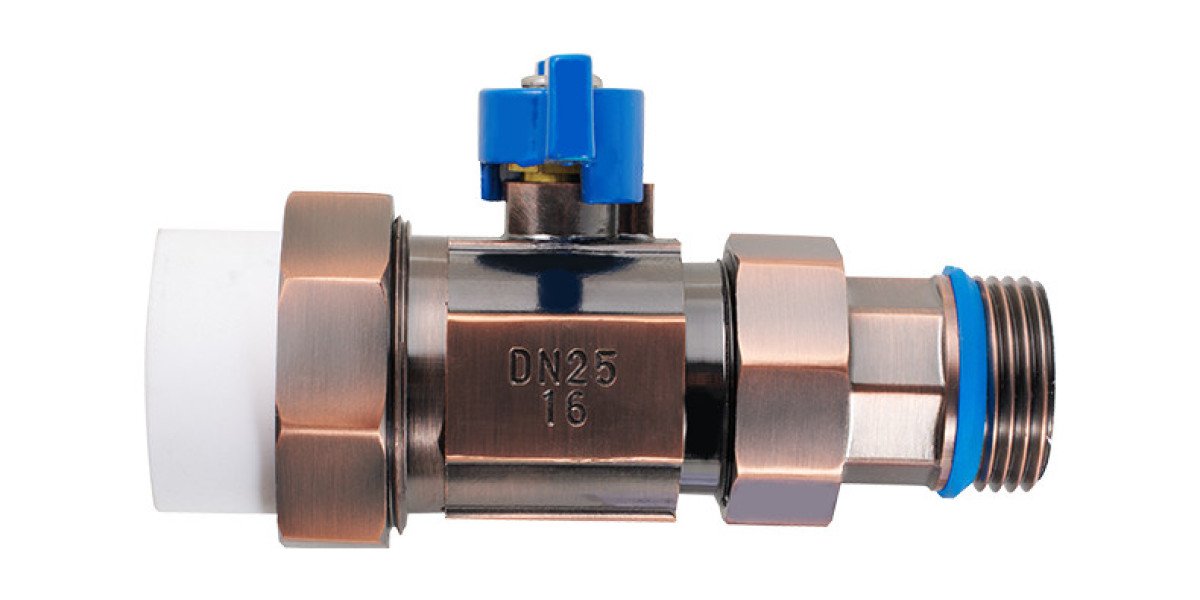

The Globe Valve/Stop Valve and Manual Temperature Valve are commonly applied in piping systems where operators expect steady control, clear feedback, and predictable mechanical response. These components are often selected not only for their functional purpose, but also for how their internal structure supports long-term use under varying flow and temperature conditions.
Mechanical Principles Behind Flow Regulation
A globe valve works through linear motion, where the disc moves vertically toward or away from the seat. This structure allows operators to fine-tune flow rather than simply switching between open and closed states. Compared with other shut-off designs, the stop valve form offers clearer modulation, which is particularly valued in systems where pressure balance must be observed carefully.
Manual temperature valves are typically installed where temperature adjustment does not require automation but still demands consistency. By rotating the handle or adjusting the stem position, users can regulate the thermal medium passing through the pipeline. This mechanical simplicity reduces dependency on external power sources and electronic sensors.
ZHEJIANG PENGBANG TUBE INDUSTRY CO.,LTD. has focused on refining these internal structures to ensure stable movement between valve components. Material selection, stem threading accuracy, and seat alignment all play roles in how smoothly a valve responds during operation.
Material Selection and Manufacturing Considerations
Valve durability is closely related to the materials used in the body, disc, and sealing surfaces. Brass, stainless steel, and alloy materials are commonly chosen based on the working medium and expected temperature range. The machining process must maintain tight tolerances to avoid uneven wear during repeated operation cycles.
In manual temperature valves, the sealing material must remain reliable across temperature changes. Improper material pairing can lead to deformation or leakage over time. Manufacturers therefore emphasize compatibility between metal components and sealing inserts.
At ZHEJIANG PENGBANG TUBE INDUSTRY CO.,LTD., production processes include controlled machining steps and inspection procedures that focus on dimensional consistency. This approach supports valve assemblies that respond evenly to manual adjustment without abrupt resistance.
Application Scenarios in Industrial and Building Systems
Globe and stop valves are frequently used in heating networks, water distribution lines, and industrial fluid transfer systems. Their ability to control flow direction and volume allows maintenance personnel to isolate sections of piping without affecting the entire network.
Manual temperature valves appear in radiator systems, process water lines, and equipment cooling circuits. Operators can adapt flow temperature manually according to operational demand, making these valves suitable for facilities that prefer direct mechanical control.
System designers often select these valve types when predictability matters more than automation. This choice reflects a preference for hands-on adjustment and straightforward maintenance routines.
Maintenance and Operational Handling
Manual valves require routine inspection, particularly around stem packing and sealing areas. Regular operation helps prevent sticking caused by sediment or scale buildup. When properly maintained, globe and temperature valves can remain functional for extended periods without complex servicing.
ZHEJIANG PENGBANG TUBE INDUSTRY CO.,LTD. provides technical guidance on installation orientation, tightening torque, and periodic inspection. Such information assists distributors and installers in maintaining stable valve performance across different environments.
Integration into Broader Piping Networks
When integrated into a piping system, valve placement influences overall efficiency. Globe valves are typically positioned where throttling is required, while manual temperature valves are placed at points where thermal control directly affects downstream equipment.
Engineers evaluate pressure drop, accessibility, and flow direction before finalizing valve placement. This planning stage ensures that manual operation remains practical throughout the system’s lifecycle.
By aligning design, material selection, and application needs, these valves continue to serve as reliable components in diverse piping systems.