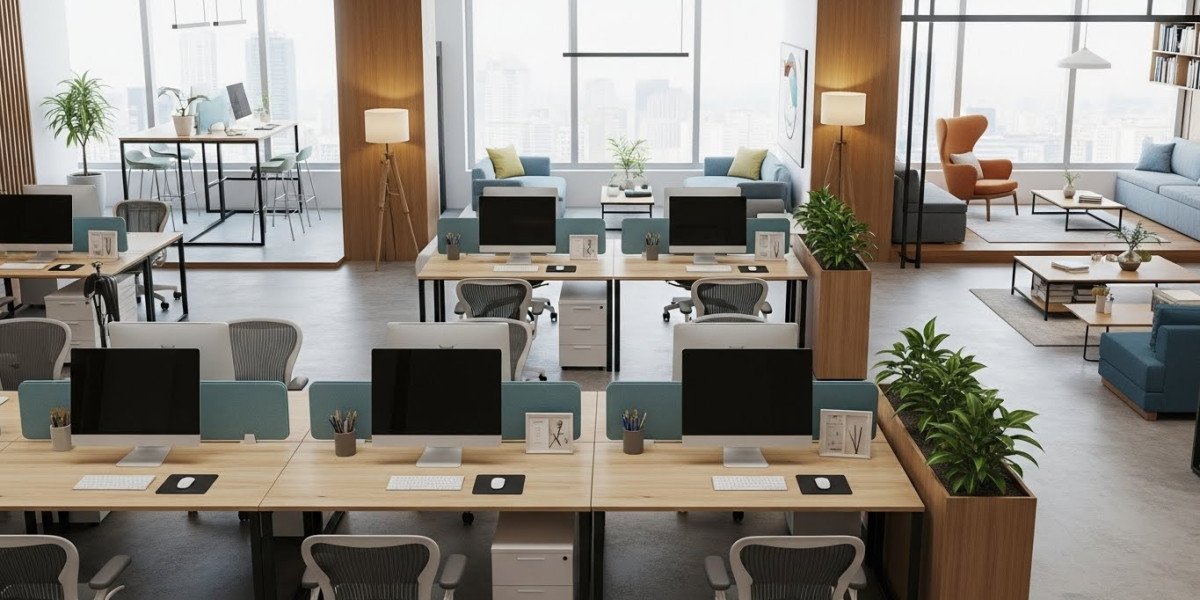

The era of universally fixed desks and static floor plans has definitively concluded. The modern commercial environment demands a workplace that operates not as a mere collection of rooms, but as a dynamic, adaptable asset strategically designed to support evolving business objectives and fluid workstyles. Success today hinges on replacing guesswork and simple assumptions with a rigorous, analytical approach to space utilization. This necessitates a strategic overhaul where every square meter is justified by data and aligned with the overarching mission of the organization.
From Headcount to Occupancy Metrics
The fundamental mistake in outdated space allocation was basing square footage solely on total headcount. In the current environment, defined by hybrid work models, this approach guarantees wasted real estate and unnecessary operational expenditure. A data driven methodology shifts the focus from headcount to actual occupancy metrics and utilization rates. By analyzing peak attendance times, team mobility patterns, and the frequency of collaboration, businesses can accurately right size their total physical footprint. This includes aligning the number and size of meeting rooms with real demand and understanding the financial implications of every unused area, transforming cost containment into an exact science.
The Science of Circulation and Zoning
The physical layout of the environment is deeply connected to daily efficiency and employee focus. Poorly planned pathways create friction, causing unnecessary interruptions and slowing the flow of both people and information. Strategic zoning, informed by analytical insight into team workflows, ensures that high energy collaborative zones are appropriately distanced from areas designated for deep concentration. The precise allocation of work settings based on analytical insight transforms a real estate liability into a performance asset, confirming the criticality of professional office space planning in maximizing operational effectiveness and employee satisfaction. This technical precision minimizes daily drag and maximizes productive output.
Designing for Diverse Work Modes
The modern workforce operates in a series of distinct work modes—requiring focused concentration, spontaneous brainstorming, formal meetings, and social connection—all within the same day. Effective planning acknowledges this diversity by abandoning the one size fits all mentality. This involves the systematic implementation of an Activity Based Working model where various zones are purposefully designed. Quiet areas, such as enclosed pods or sound dampened libraries, are crucial for uninterrupted focus. These must be balanced by dynamic collaboration hubs, which feature flexible furniture, writable surfaces, and integrated technology to facilitate high velocity teamwork and creative exchange.

Leveraging Technology for Agility
The integration of advanced technology is no longer an optional feature; it is an essential component of strategic space design. A truly smart environment uses technology to drive agility and continuous refinement. Systems like desk booking software, space utilization sensors, and integrated audio visual technology are built into the design from the ground up. This allows the design to be responsive, providing real time data on how spaces are actually being used. The information gathered enables continuous adjustments to be made to the layout and amenities, ensuring the physical space constantly meets the evolving functional needs of the business without the necessity for disruptive, large scale overhauls.
Future Proofing Through Modular Infrastructure
A significant capital investment in a physical space must be protected by ensuring its longevity and adaptability. This concept of future proofing is achieved by prioritizing modular and flexible infrastructure. Design elements like demountable walls, versatile furniture systems, and raised access floors allow for the simple and cost effective reconfiguration of power, data, and partitioning. By planning for growth, contraction, and changes in work methodology, the professional consultant delivers an environment that can scale with the organization's trajectory, preserving the asset's functionality and avoiding excessive future construction costs.
The Return on Investment in Optimized Space
The strategic engagement of specialized design expertise delivers a clear, measurable return on investment. This value is realized not only through the immediate cost savings associated with right sizing the real estate footprint, but also through the long term gains derived from a more productive workforce. By creating environments that reduce cognitive load, support ergonomic health, and facilitate seamless workflow, the organization secures a physical asset that actively contributes to higher engagement, reduced turnover, and improved output, ensuring the physical space is working as hard as the people within it.
Conclusion
The commitment to an analytically driven process represents the highest standard of corporate stewardship over physical assets. By moving beyond traditional assumptions and embracing data and modularity, businesses acquire an expertly engineered environment that maximizes utilization, ensures employee satisfaction, and provides the necessary resilience to navigate any future evolution of the workplace. This strategic approach ensures the long term viability and financial health of the organization’s foundational infrastructure.