Content
After hitting Enter, you might not see any visible feedback. This lack of response simply means that the command was successful. Occasionally, users may flush their FixTechGuide support for Office 365 DNS cache only to realize that issues persist, such as slow-loading sites or connection errors.
- To check if the security application is causing the issue, you can temporarily disable the antivirus program or Firewall and then update the folders.
- Most modern Linux distributions, especially those based on Ubuntu, utilize systemd-resolved or dnsmasq, while RedHat-based distributions often run the Name Server Cache Daemon (Nscd).
- If you find any missing items in the new OST file, you can recover them from the backup OST file using Stellar Converter for OST.
- A common problem users face is that certain websites might continue to be inaccessible or slow to load.
- One of the main benefits of flushing your DNS is the refreshing of these stored records.
- Being informed about your system’s configuration allows for a much smoother experience when addressing connectivity issues later on.
- But beyond just solving existing problems, understanding how this process works can help enhance your overall browsing experience.
- I have no issues sending email from same account from my phone, laptop, or web mail.
Solutions to Fix the Sync Issues in Outlook
A large OST file can lead to performance issues and result in Outlook not syncing with the Exchange Server, disrupting your workflow. To resolve this, you can reduce the Outlook data file (OST) size. This can help optimize Outlook’s performance and fix the synchronization issues.
How to Resolve Sync Issues in Outlook – A Detailed Guide
This professional OST to PST converter tool can extract data from the backup OST file and convert it into PST file, which you can easily import into Outlook. You can easily search for the missing items, select them, and save them in PST and other file formats, such as MSG, EML, RTF, HTML and PDF. This tool is designed to extract mailbox items from orphaned or inaccessible OST files.
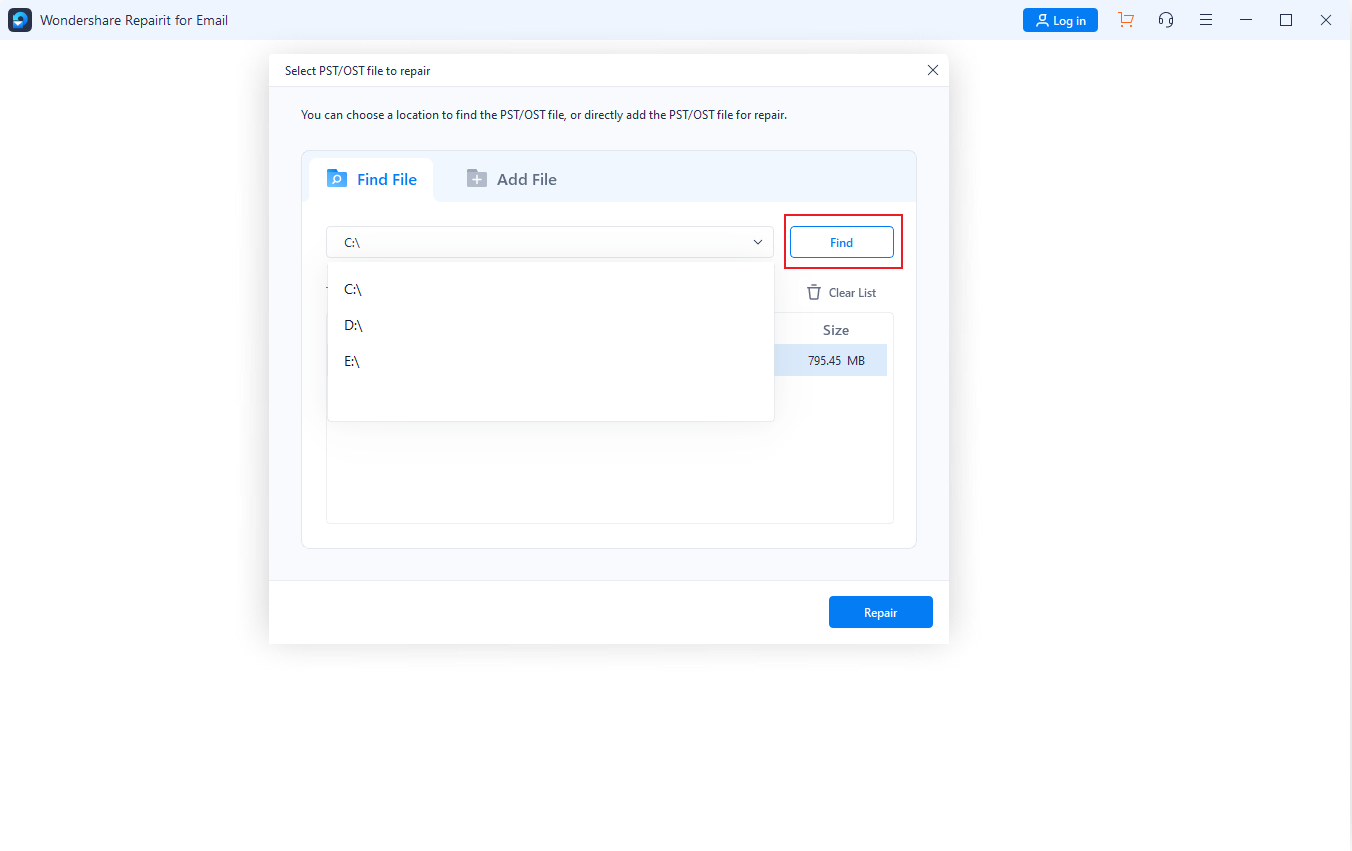
Method 12: Disable Security Applications
Restarting your router can refresh its internal processes much like restarting a computer would do for your operating system. One of the main benefits of flushing your DNS is the refreshing of these stored records. It’s like hitting a reset button on your connection to the internet’s vast landscape.
Flushing DNS Cache: A Step-By-Step Guide to Troubleshoot Your Connection
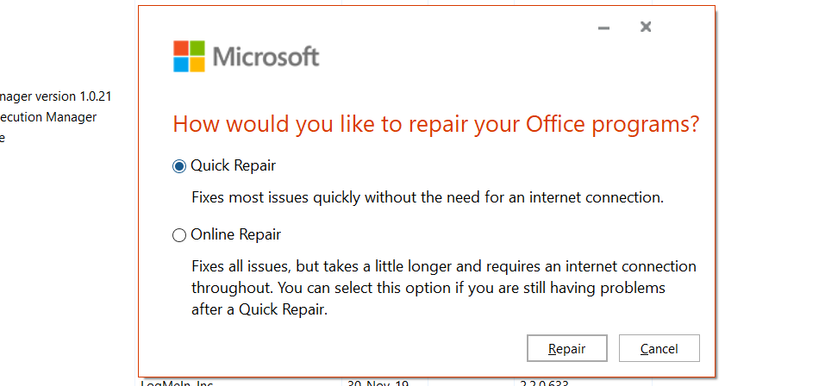
These may be attributed to more than just outdated records; they could include other underlying network issues. Each of these commands plays Microsoft Outlook Email Repair Tool Online a vital role—essentially refreshing your system’s memory regarding domain names. By issuing them periodically or whenever connectivity issues arise, you ensure that your connection remains robust and error-free. After rebuilding the OST file, it’s important to check for any missing mailbox data. If you find any missing items in the new OST file, you can recover them from the backup OST file using Stellar Converter for OST.
Flushing the DNS cache on your MacBook Pro running macOS Ventura is an essential troubleshooting step that can help resolve connectivity issues often caused by outdated or corrupted entries. Additionally, if your system feels sluggish, it’s a good idea to delete applications that are no longer needed to free up space and improve overall performance. Over time, as you browse and download various files, your system may store incorrect DNS information fix MFA prompts not working that leads to frustrating loading errors or inability to connect to certain websites. A few simple commands in Terminal can refresh this data and regain your network connection.