
Protecting your vehicle’s paint is one of the best ways to preserve its beauty, performance, and long-term value. At Adam’s Auto Detailing & Coatings, we often hear car owners ask which protection method works best: ceramic coating or polymer sealant. Both options offer distinct advantages, but the right choice depends on your goals, budget, and driving habits. In this guide, we’ll explore everything you need to know about Ceramic coating vs polymer sealant, including how they work, their benefits, and which is more suitable for your vehicle’s protection needs. We’ll also discuss how modern paint protection, automotive detailing, and long-lasting coating technology help maintain your car’s finish year-round.
What Are Ceramic Coating and Polymer Sealant?
Ceramic Coating: A Modern Shield for Paint Protection
Ceramic coating is a liquid polymer that chemically bonds with your vehicle’s paint surface. It creates a thin, glass-like protective layer that enhances gloss and durability while preventing oxidation, fading, and corrosion. This coating forms a strong chemical bond that can withstand harsh weather, chemicals, and environmental pollutants.
One of the biggest advantages of ceramic coating is its hydrophobic finish, which means it repels water, dust, and grime. Rainwater beads up and rolls off the surface, carrying dirt away with it. This not only keeps your car looking clean for longer but also makes washing it much easier.
Polymer Sealant: Synthetic Brilliance with Short-Term Protection
Polymer sealant, meanwhile, is a synthetic formula that creates a temporary barrier over your paint. It combines various polymers and resins to enhance shine and protect your car from UV rays, oxidation, and environmental fallout. While not as durable as ceramic coating, polymer sealants are easier to apply and offer a beautiful car surface shine with minimal effort.
Many car owners appreciate polymer sealants for their smooth application, affordability, and quick results. They’re ideal for drivers who want to maintain a glossy finish without investing in professional detailing every few years.
The Main Differences Between Ceramic Coating and Polymer Sealant
When comparing Ceramic coating vs polymer sealant, there are key differences in how they perform, last, and protect your car.
Durability and Lifespan
Ceramic coatings are designed for longevity. Once professionally applied, they can last from two to five years or even longer with proper care. The strong chemical bond formed with the paint gives your car a semi-permanent shield and an excellent long-lasting coating solution.
Polymer sealants, however, last for a shorter duration typically between three and six months. They provide a temporary barrier that enhances shine but requires frequent reapplication to maintain results.
Level of Protection
Ceramic coatings provide superior paint protection compared to sealants. They can resist UV rays, acid rain, chemicals, and light scratches. Their nano-level bonding makes it difficult for contaminants to stick, ensuring your car’s paint remains clean and shiny for longer periods.
In contrast, polymer sealants create a protective film on top of the paint but do not form a molecular bond. This means their resistance to environmental damage is lower, although they still provide reliable short-term protection against dirt, sun exposure, and oxidation.
Visual Appeal and Gloss
If your goal is an eye-catching, mirror-like finish, both options deliver but in different ways. Polymer sealants tend to provide a warm, deep shine that enhances your car’s color. Ceramic coatings, on the other hand, deliver an ultra-glossy, reflective appearance that brings out depth and clarity in the paint.
At Adam’s Auto Detailing & Coatings, our professional ceramic coatings are formulated to highlight your car’s contours and produce a rich, vibrant shine that lasts for years far surpassing what traditional waxes or sealants can achieve.
Application and Process
Applying a polymer sealant is quick and straightforward. You can do it yourself using a microfiber pad and towel, and the process usually takes a few hours.
Ceramic coatings require a more involved process. Before application, the car’s surface must be completely decontaminated and polished to ensure proper bonding. The coating then needs to cure under controlled conditions. Improper application can lead to uneven spots or streaks, which is why many vehicle owners trust professionals like Adam’s Auto Detailing & Coatings for flawless, expert application.
Maintenance Requirements
Maintenance is another key difference between these two options. Ceramic coatings are low-maintenance and easy to clean because of their hydrophobic finish. A simple rinse or light wash restores the shine without needing wax or polish.
Polymer sealants, while simpler to apply, demand more frequent maintenance. They lose their slickness and protection over time, especially when exposed to harsh weather, requiring regular reapplication.
Benefits of Choosing Ceramic Coating
Long-Term Protection
Ceramic coatings provide unmatched protection against oxidation, UV rays, and corrosion. They prevent contaminants like bird droppings, road salt, and tree sap from damaging your car’s finish.
Enhanced Aesthetic Appeal
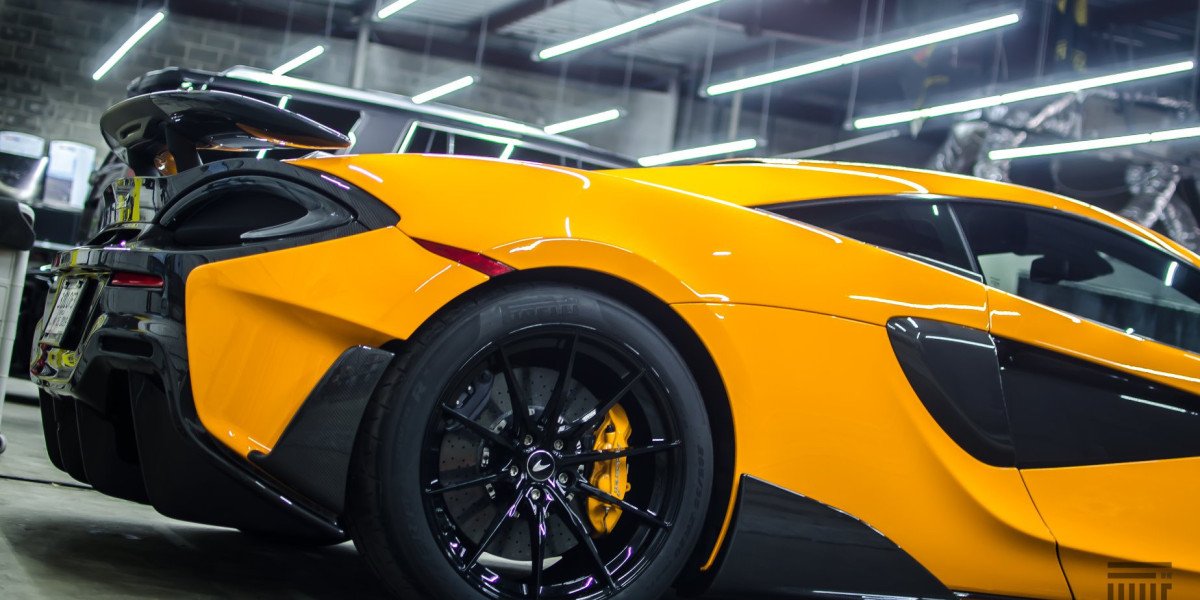
The glossy finish produced by ceramic coatings adds depth and clarity, giving your car a “wet look” that turns heads. This effect makes it one of the most desired upgrades in automotive detailing.
Easier Cleaning and Maintenance
Because of the water-repelling properties, dust and grime slide off easily, saving you hours of cleaning time. Even after months, your car maintains a spotless look with minimal effort.
Long-Term Cost Efficiency
While ceramic coating has a higher upfront cost, it reduces the need for frequent waxing and paint corrections. Over time, this makes it a cost-effective investment for serious car enthusiasts.
Benefits of Using Polymer Sealant
Budget-Friendly Protection
Polymer sealants are significantly cheaper than ceramic coatings, making them a great entry-level option for car owners who still want solid protection and shine.
Fast and Easy Application
Sealants can be applied in just a few hours without professional tools, allowing car owners to refresh their car’s finish at home conveniently.
Great Short-Term Shine
The deep car surface shine achieved with polymer sealants enhances color and gloss almost instantly. It’s an excellent choice before car shows, events, or seasonal protection touch-ups.
Flexibility for Regular Detailing
If you like experimenting with different products or enjoy frequent maintenance sessions, polymer sealants allow you to change or layer protection as often as you like.
Which Option Should You Choose?
Your decision between Ceramic coating vs polymer sealant depends on your priorities.
- Choose Ceramic Coating if you want ultimate durability, long-term protection, and minimal maintenance. It’s ideal for drivers who value premium care and don’t want to reapply protection every few months.
- Choose Polymer Sealant if you prefer affordability, quick results, and flexibility in updating your car’s finish regularly. It’s also great for DIY enthusiasts who enjoy detailing their vehicles at home.
Regardless of your choice, proper surface preparation and application are essential to achieving the best possible outcome.
Professional Application Matters
Professional application ensures you get the most from whichever option you choose. At Adam’s Auto Detailing & Coatings, our detailing experts use advanced techniques and industry-leading products to deliver impeccable, lasting results.
Whether it’s a premium ceramic treatment for long-term paint protection or a quick, professional polymer sealant job for short-term gloss, our team ensures your vehicle receives the care it deserves. We take pride in helping clients protect and enhance their cars’ appearance with attention to detail and craftsmanship.
Final Thoughts
When it comes to protecting your vehicle’s exterior, both ceramic coatings and polymer sealants play important roles. Ceramic coatings offer superior durability, a hydrophobic finish, and lasting brilliance, while polymer sealants provide quick application and a brilliant car surface shine at a lower cost.
Ultimately, your decision should depend on your budget, maintenance habits, and desired finish. Whichever path you choose, investing in quality automotive detailing will preserve your car’s look, value, and performance for years to come.
If you’re ready to protect your vehicle with expert-grade care, the professionals at Adam’s Auto Detailing & Coatings can help you select and apply the perfect solution for your car’s needs.